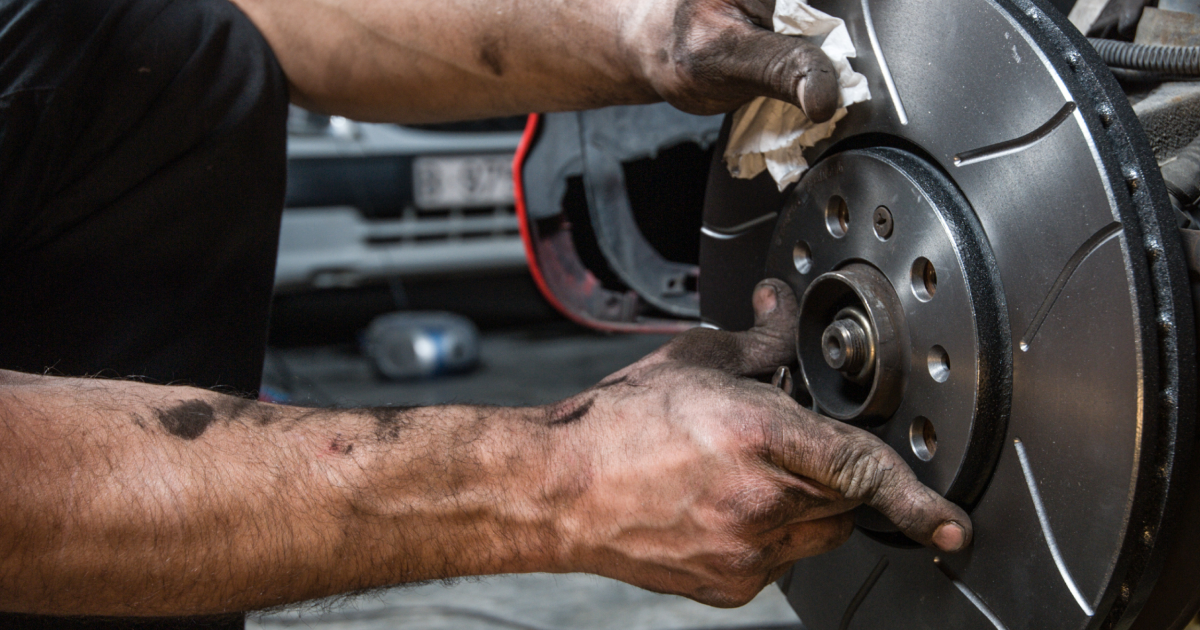
Why Brakes Matter More Than You Think When considering car maintenance, it's common to focus on more noticeable tasks such as oil changes, tire rotations and maybe even a new paint job. However, the reality is that one of the most crucial components keeping you safe out there on Burbank roads - whether weaving through traffic or cruising down scenic routes - are your brakes. Although unsung heroes continuously working every time you hit that pedal; they frequently get overlooked until issues like squeaking, grinding or worse yet failing occur despite their significance in guaranteeing road safety. Future Auto Service in Burbank emphasizes the importance of giving brakes proper attention. Despite lacking the allure of a turbocharged engine, they play an essential role in your car's performance and keeping you at ease on the road. Consistent brake inspections go beyond cost-saving measures; their significance lies in guaranteeing uninterrupted braking that is dependable and seamless - devoid of panic or distress caused by faulty brakes. How Brakes Work: A Quick Primer Before delving into the importance of routine check-ups, it's necessary to understand how brakes function. Though upon pressing the brake pedal your vehicle reduces speed and ultimately comes to a halt - it’s not as straightforward as that. The brake system is a sophisticated feat of engineering that incorporates hydraulics, friction, and physics. Pressing the brake pedal initiates a series of actions wherein brake fluid flows through lines to reach the calipers; this triggers them to apply pressure on the rotors via pads causing frictions which eventually slows down your wheels thus bringing your car gradually into an eventual stop. As time passes, friction slowly but surely causes damage. It gradually wears down the brake pads and can cause rotors to warp, while also degrading the quality of brake fluid . Failing to perform routine inspections could lead you to overlook these issues until it's too late - such as when attempting a sudden stop at an intersection only for your vehicle experiencing other plans altogether. Signs Your Brakes Need Attention Brakes hold great significance, however, how can you identify the indication of their need for maintenance? If you possess knowledge regarding signals from your car, it is efficient in notifying. To begin with, be mindful of unusual sounds when applying the brakes. Screeching, scraping or banging noises signal that your vehicle is trying to communicate "Hey! There's an issue here!" Equally telling is the way your brake pedal responds; if it feels soft or unresponsive, and causes a pull in one direction upon braking - these are warning signs of malfunctioning parts. If you're in doubt about the state of your brakes, keep an eye out for various signals. If your dashboard's brake warning light illuminates, seek prompt attention. Other times more subtle indicators manifest - a prolonged stopping distance or burning odour after braking signifies wear and tear while steering wheel shakiness implies something is askew with the brakes that deserves professional assessment. However, there's a crucial point to consider - once these symptoms manifest themselves, you're already contending with an underlying issue. That explains why routine brake examinations are of immense significance- as they preclude issues from escalating into substantial ones.
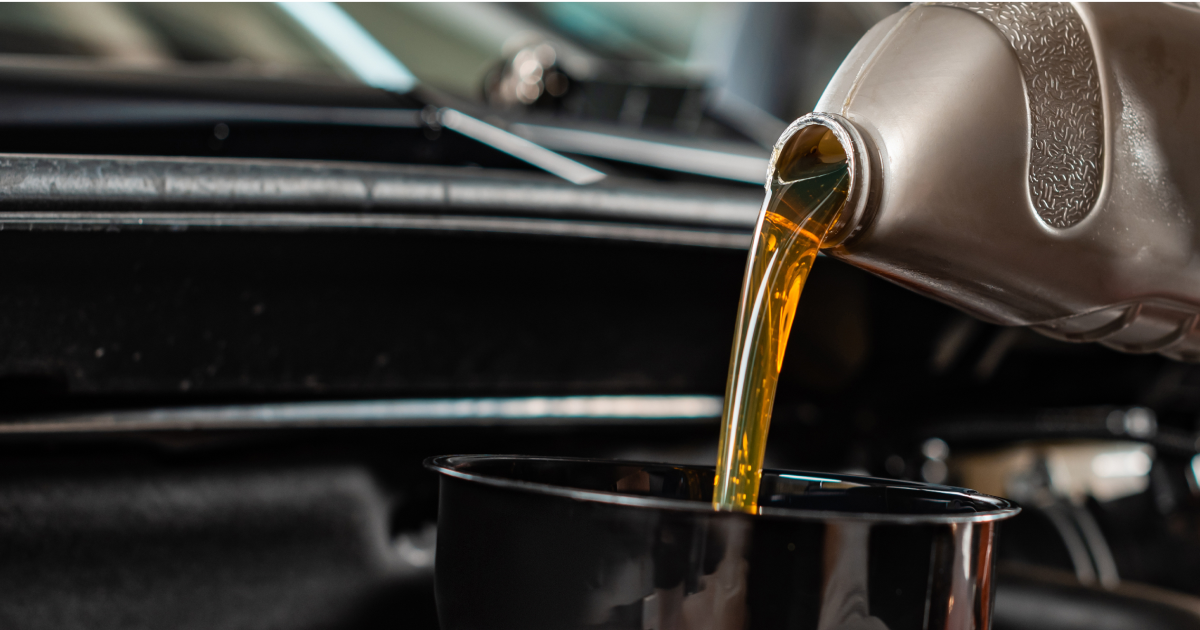
What BMW, Mercedes-Benz, Audi, Porsche, and Other European Vehicle Owners Should Know An oil change sounds simple. Drain the old oil, install a new filter, add fresh oil, and you're finished. With many modern European vehicles, however, there is an important detail that should never be overlooked: which oil goes back into the engine. BMW, Mercedes-Benz, Audi, Porsche, Volkswagen, MINI, Land Rover, and other European manufacturers often establish specific requirements for engine oil. Those requirements exist for a reason. At Future Auto Service in Burbank, we regularly work with European vehicles, and one question worth answering is: "Does it really matter what type of oil I put in my European car?" Yes, it does. Choosing oil is about more than selecting the correct viscosity printed on the cap. The oil also needs to meet the appropriate specifications for the engine it is protecting. Engine oil does much more than lubricate Most drivers understand that oil reduces friction in an engine, but that's only one part of its role. Modern engine oil helps regulate heat, direct contaminants to the filter, prevent deposits, and keep complex internal components running smoothly. European engines are frequently designed with precise tolerances, turbocharging technology, variable valve systems, and sophisticated emissions equipment. As a result, oil quality and specifications become especially important. Isn't all synthetic oil basically the same? No. Two bottles might both be labeled as "full synthetic" and show the same viscosity, but they can meet entirely different manufacturer specifications. European car manufacturers often establish their own oil standards tailored to the needs of specific engines. That is why choosing oil based solely on price or viscosity can be a mistake. The right product should match the specifications your vehicle manufacturer provides. Why are turbocharged engines especially demanding? Turbochargers function in highly demanding conditions. They rotate at extremely high speeds, endure intense heat, and rely on engine oil for lubrication and protection. Because many European vehicles are turbocharged, maintaining high oil quality is especially important. Using old, incorrect, or neglected oil can exacerbate an already challenging environment for internal components. One of the easiest methods to ensure long-term engine health is to consistently use the proper product for regular oil maintenance. Can using the wrong oil damage my European car? Using the wrong product once won't cause your engine to fail instantly. However, regularly using oil that doesn't meet the manufacturer's specifications can undermine the protection intended for your engine. Over time, this may lead to deposits, wear and tear, performance issues, or other complications. The more effective strategy is straightforward: start by using the right oil. How often should I change the oil in my European vehicle? Using the wrong product once won't cause your engine to fail instantly. However, regularly using oil that doesn't meet the manufacturer's specifications can undermine the protection your engine needs. Over time, this may lead to deposits, wear and tear, performance issues, or other complications. The more effective strategy is straightforward: start by using the right oil. Los Angeles traffic matters more than you might think Mileage is not the only measurement of engine use. Imagine two vehicles that each travel 5,000 miles. One spends most of those miles cruising steadily on an open freeway. The other spends hours idling, accelerating, stopping, and crawling through traffic. The odometers may show the same mileage, but the engines have experienced very different operating conditions. For drivers throughout Burbank and Los Angeles, this is worth considering when planning preventive maintenance. What happens when oil gets old? Engine oil operates in a demanding environment. Every time the engine operates, it manages heat, pressure, combustion byproducts, and contamination. Over time, its protective additives become depleted, and contaminants build up. Regular oil and filter changes replace old oil and provide fresh protection for the engine. It's one of the essential services a vehicle needs, and one of the most crucial. Why does the oil filter matter? New oil is just one component of an oil service. The filter traps impurities that would otherwise keep circulating within the engine. Quality matters here, too. A well-chosen filter should satisfy the vehicle's requirements and deliver effective filtration throughout the service interval. When maintaining a precision-engineered vehicle, paying attention to details is crucial. Do I have to go to the dealership for European oil changes? No. European vehicle owners can have maintenance performed by a qualified independent repair facility with the knowledge, equipment, and products needed to service the vehicle correctly. For many drivers, a specialized independent shop offers the technical knowledge they want with a more personal service experience. At Future Auto Service , our ASE-certified technicians work with European vehicles and understand the importance of following the appropriate maintenance requirements. Does regular oil service really help my engine last longer? It is one of the most important things you can do. Oil cannot prevent every mechanical failure, but consistent maintenance reduces unnecessary internal wear and helps the engine operate under the conditions its engineers intended. Skipping oil changes to save money today can be an expensive tradeoff later. Frequently Asked Questions About European Oil Changes Can I use any full synthetic oil in my BMW? Not necessarily. The oil should meet the specifications required for your particular BMW engine and model. Why does my Mercedes-Benz require a certain oil specification? Manufacturer specifications account for engine design, emissions equipment, service intervals, and other operating requirements. Do Audis need synthetic oil? Many modern Audi models specify synthetic oil, but you should always follow the requirements for your exact vehicle. Does a Porsche need a different oil than a regular car? Many Porsche engines have specific oil requirements. The correct product depends on the model, engine, and manufacturer specifications. Can I wait until the oil warning light comes on? Routine maintenance should generally be performed according to the appropriate service interval rather than waiting for a warning light to appear. Give Your European Vehicle the Care It Was Designed For European vehicles are built with impressive engineering, and maintaining them properly does not have to be complicated. It starts with understanding that the details matter. At Future Auto Service , we provide professional maintenance and repair for drivers throughout Burbank and neighboring Los Angeles communities. Our facility is AAA-certified, our team includes ASE-certified technicians, and we stand behind qualifying repairs with a nationwide 24-month/24,000-mile warranty. Whether you drive a BMW, Mercedes-Benz, Audi, Porsche, Land Rover, or another vehicle, our team can help you stay ahead of maintenance and protect the performance you enjoy. Visit us at 820 S. Victory Blvd., Burbank, CA 91502 , or call (818) 736-5553 to schedule your next service. The right maintenance today can make a noticeable difference in how your vehicle performs tomorrow. When seeking professional assistance, contact us at Future Auto Service regarding any of your vehicle maintenance needs in Burbank, CA, and neighboring areas. We stand by our work and provide a nationwide 24-month/24,000-mile warranty. Our facility is AAA-certified, and we have ASE-certified technicians. We can be found at 820 S. Victory Blvd., Burbank, CA 91502, and are available by phone at (818) 736-5553 . We hope to be there for you and become a staple in your vehicle’s life
Owning a European vehicle is different from owning many domestic or Asian vehicles. Whether you drive a BMW, Mercedes-Benz, Audi, MINI, Volkswagen, Porsche, or Land Rover, you've probably heard someone say that European cars are "more expensive to maintain." But is that really true? Not exactly. One of the most common questions we hear at Future Auto Service is, "Why do European cars need specialized maintenance?" The answer has less to do with the vehicle being expensive and more to do with the way it was engineered. European manufacturers focus on precision, advanced technology, and performance when building vehicles. These qualities not only make the cars enjoyable to drive but also require technicians who are well-versed in their distinct systems and maintenance needs. At Future Auto Service , we focus on servicing European vehicles in Burbank and the surrounding Los Angeles area. Our aim is to help owners safeguard their investments while ensuring their cars operate as intended. Are European cars really more expensive to maintain? This is likely the most significant misunderstanding regarding European vehicles. In truth, European cars are not necessarily costlier due to frequent breakdowns. Their higher price often stems from the advanced engineering and technology they incorporate compared to many other vehicles. Numerous European manufacturers focus on performance and precision when designing engines, transmissions, suspension systems, and electronic components. Maintaining these complex systems demands specialized expertise, appropriate diagnostic tools, and adherence to manufacturer-approved maintenance procedures. By consistently following these maintenance recommendations, many European vehicles deliver years of reliable performance. Why can't every repair shop work on European vehicles? Although many repair shops can handle basic maintenance, not all have the tools, equipment, or expertise to accurately diagnose and repair European vehicles. Contemporary European vehicles rely on advanced computer systems that continuously interact with one another. Identifying a problem often requires sophisticated diagnostic tools capable of accessing manufacturer-specific data, rather than merely reading general error codes. Correct repairs also rely on comprehending the interaction between these systems. This is why selecting a shop with expertise in European vehicles can have such an impact. Do European cars have different maintenance schedules? Yes. European manufacturers often recommend maintenance based on mileage, time, and the specific driving conditions the vehicle experiences. Instead of waiting for something to fail, many services are designed to keep components operating at peak performance throughout the vehicle's life. Routine maintenance commonly includes inspections of engine oil and filters, Brake systems, Cooling systems, Transmission fluids, Suspension components, and electrical systems. Following these recommendations helps protect performance while reducing the likelihood of unexpected repairs. Is dealership service required? No. Many drivers believe they must return to the dealership every time their European vehicle needs maintenance. That simply is not true. Independent repair facilities equipped with the right tools, training, and expertise can conduct routine maintenance and repairs in accordance with manufacturer specifications. Many owners opt for independent specialists because they offer the same level of technical expertise, more personalized service, and transparent communication. Why are diagnostics so important on European vehicles? Today's European vehicles contain dozens of computers monitoring nearly every major system. When something begins operating outside normal parameters, the vehicle often detects the issue before the driver notices any symptoms. Professional diagnostics help identify: Engine performance concerns, Transmission communication issues, Sensor failures, Electrical faults, Emissions problems, Cooling system issues. Accurate diagnostics let technicians identify the root cause instead of replacing parts based on guesswork. Does preventive maintenance really make a difference? Absolutely. Preventive maintenance is one of the biggest factors in long-term ownership of European vehicles. Waiting until a warning light appears or a component fails often leads to larger repairs that could have been avoided. Routine maintenance helps protect engine performance, extend component life, improve fuel efficiency, reduce unexpected breakdowns, and maintain overall reliability. A well-maintained European vehicle often provides an exceptional driving experience for many years. What happens if I skip scheduled maintenance? Delaying maintenance may seem like a cost-saving measure at first, but it often leads to more expensive repairs later. For instance, over time, used engine oil gradually loses its protective qualities. Degraded fluids might no longer lubricate parts effectively, leading to unnecessary wear and tear. Similarly, minor coolant leaks, aging belts, or worn suspension components can lead to much more extensive repairs if not addressed promptly. Regularly following scheduled maintenance can stop minor issues from escalating into major problems. Are European vehicles more sensitive to fluid quality? Yes. European manufacturers often specify particular oils, coolants, brake fluids, and transmission fluids designed specifically for their vehicles. Using the correct fluids helps ensure proper lubrication, Consistent performance, Efficient cooling, Longer component life, and manufacturer-approved protection. Choosing the right products is an important part of properly maintaining a European vehicle. Why does regular software and system monitoring matter? Today's vehicles are more connected than ever. Electronic control modules manage everything from engine timing and fuel delivery to transmission operation and safety systems. Routine inspections let technicians monitor system performance and spot potential issues before they affect drivability. Technology is now as important as traditional mechanical repairs. Can preventive maintenance actually reduce ownership costs? Yes. Many people associate preventive maintenance with additional expenses. In fact, it's often one of the most efficient ways to minimize long-term ownership costs. Replacing a worn belt before it breaks is much cheaper than fixing the damage caused by a broken belt. Addressing a minor coolant leak promptly can help prevent overheating. Replacing brake pads before they wear out helps protect the brake rotors. Consistently performing small maintenance tasks can often prevent the need for larger repairs later. Why do European vehicle owners choose Future Auto Service? At Future Auto Service , we understand that owning a European vehicle is an investment. Our experienced technicians use advanced diagnostic equipment to accurately evaluate today's sophisticated vehicles. Drivers throughout Burbank and the surrounding Los Angeles communities trust us because we provide: Honest recommendations, Clear communication, Advanced diagnostics, ASE-certified technicians, AAA-certified service, A nationwide 24-month/24,000-mile warranty. We believe exceptional vehicles deserve exceptional care. Frequently Asked Questions Can an independent repair shop service my BMW or Mercedes? Yes. Independent shops with the proper equipment and experience can perform maintenance and repairs in accordance with manufacturer specifications. Will regular maintenance help my European vehicle last longer? Absolutely. Following the recommended maintenance schedule is one of the best ways to maximize reliability and performance. Are diagnostics different for European vehicles? Yes. European vehicles often require manufacturer-specific diagnostic equipment capable of communicating with advanced onboard systems. Should I wait until my check engine light comes on? No. Preventive maintenance allows technicians to identify developing concerns before warning lights appear. Is preventive maintenance worth it? Without question. Staying ahead of maintenance reduces unexpected repairs, improves reliability, and protects your investment. Trust Your European Vehicle to Future Auto Service For professional help, contact Future Auto Service for all your vehicle maintenance and repair needs in Burbank and the surrounding Los Angeles communities. Whether you drive a BMW, Mercedes-Benz, Audi, Porsche, Volkswagen, MINI, or Land Rover, our experienced team has the knowledge, equipment, and commitment to keep your vehicle performing at its best. We proudly stand behind our work with a nationwide 24-month/24,000-mile warranty. Our facility is AAA-certified , and our ASE-certified technicians are dedicated to providing the honest, high-quality service your vehicle deserves. Visit us at 820 S. Victory Blvd., Burbank, CA 91502 , or call (818) 736-5553 to schedule your appointment. Your European vehicle was engineered for exceptional performance. Let Future Auto Service help you keep it that way for every mile ahead. For professional vehicle maintenance in Burbank, CA, and surrounding areas, contact Future Auto Service . We stand by our work and provide a nationwide 24-month/24,000-mile warranty. Our facility is AAA-certified, and we have ASE-certified technicians. We can be found at 820 S. Victory Blvd., Burbank, CA 91502, and are available by phone at (818) 736-5553 . We hope to be there for you and become a staple in your vehicle’s life
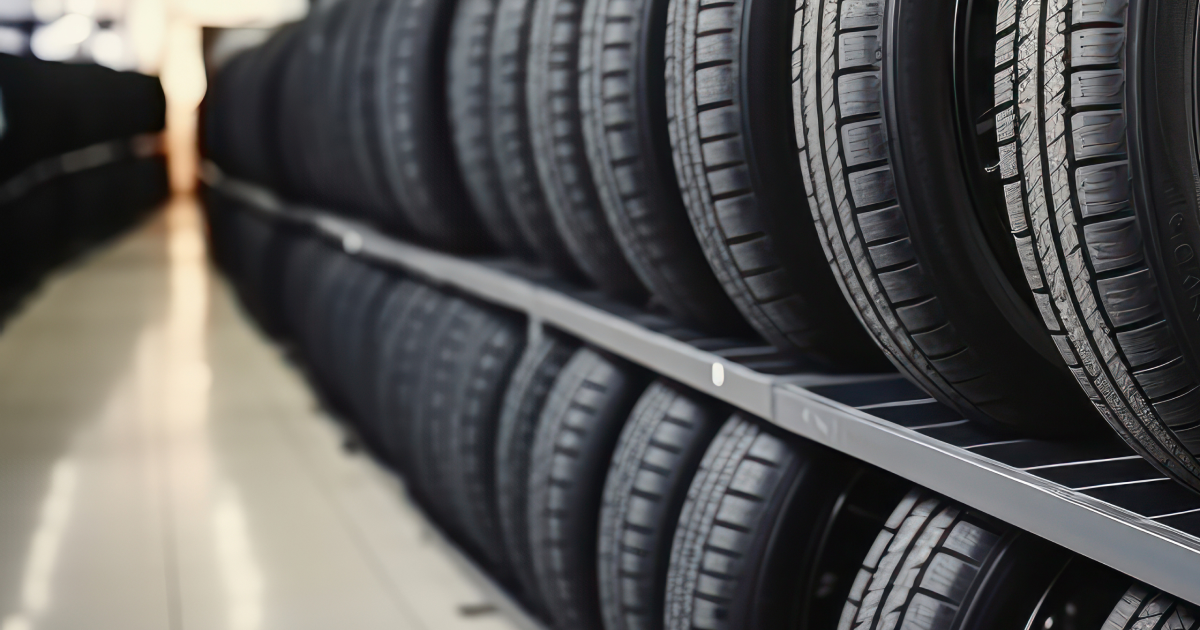
Smart tire care tips for safer driving in Burbank and across Los Angeles Summer driving in Los Angeles comes with its own set of challenges. From stop-and-go traffic in Burbank to long highway drives and rising pavement temperatures, your vehicle is constantly under stress. While many drivers focus on engine performance or air conditioning during the warmer months, tire safety is just as important and often overlooked. Your tires are the only connection between your vehicle and the road. When temperatures rise, that connection becomes even more critical. Heat can increase tire pressure, accelerate wear, and raise the risk of blowouts if your tires are not properly maintained. At Future Auto Service , we help drivers stay ahead of these risks with preventive care and thorough inspections. Understanding how summer heat affects your tires and knowing what to check can make a major difference in safety, performance, and fuel efficiency. Why Summer Heat Increases Tire Risk in Los Angeles Southern California heat does more than make your car uncomfortable. It directly impacts how your tires perform. As temperatures rise, the air inside your tires expands, increasing internal pressure. At the same time, hot pavement adds friction and stress to the rubber. When you combine these factors with heavy traffic and long commutes, your tires are working harder than ever. This can lead to: • Increased risk of tire blowouts • Faster tread wear • Pressure fluctuations throughout the day • Reduced traction on the road • Decreased fuel efficiency Even short daily drives in Burbank traffic can contribute to these issues over time. What Causes Tire Blowouts in Summer A tire blowout rarely happens without warning. It is usually the result of ongoing wear or maintenance issues that become worse under heat and pressure. The most common causes include: • Underinflated tires that overheat during driving • Overinflated tires that lose flexibility and traction • Worn tread that cannot handle high temperatures • Road hazards such as debris or potholes • Aging tires with weakened rubber Understanding these causes helps you take simple preventive steps before a problem develops. How to Check Tire Pressure the Right Way Tire pressure is one of the most important factors in maintaining safe and efficient driving. During summer, regularly checking pressure is essential because heat can cause pressure to change quickly. Here is how to check your tire pressure correctly: • Measure pressure when the tires are cold • Use a reliable tire pressure gauge • Compare the reading to the recommended PSI on your driver door sticker • Adjust air levels as needed Many drivers assume the number on the tire sidewall is the correct pressure, but this is not accurate. Always follow your vehicle manufacturer’s recommendation. Proper tire pressure improves handling, fuel efficiency, and overall tire lifespan. Why Tread Depth Matters in Hot Weather Tread depth is what allows your tires to grip the road. While it is often associated with rainy conditions, it is just as important during dry summer driving. Worn tires have reduced ability to manage heat and friction, increasing the risk of slipping, longer stopping distances, and tire failure. A quick tread check can be done using a simple method: • Insert a penny into the tire tread • If you can see the top of Lincoln’s head, the tread is too low If your tread is worn down, replacing your tires before summer driving intensifies is the safest choice. The Importance of Regular Tire Inspections Many tire issues are not immediately visible. A professional inspection helps identify problems early, before they become more serious. At Future Auto Service , a tire inspection includes: • Checking tread depth across all tires • Inspecting for uneven wear patterns • Looking for cracks, bulges, or damage • Verifying proper inflation levels • Evaluating alignment and balance Regular inspections provide peace of mind and help extend the life of your tires. Tire Rotation and Alignment for Better Performance Tires do not wear evenly on their own. Front tires often wear faster due to steering and weight distribution, while rear tires experience different levels of stress. Rotating your tires regularly helps distribute wear evenly and improves overall performance. Benefits of tire rotation include: • Longer tire lifespan • Improved traction • Smoother ride quality • Better fuel efficiency Alignment is also important. If your vehicle pulls to one side or your steering wheel feels off-center, your alignment may need adjustment. Proper alignment ensures your tires meet the road evenly and reduces unnecessary wear. How Tire Maintenance Improves Fuel Efficiency Fuel efficiency is a major concern for drivers in Los Angeles. What many people do not realize is that tire condition plays a significant role in how much fuel your car uses. Underinflated tires create more resistance, forcing your engine to work harder. This leads to increased fuel consumption. Maintaining proper tire pressure and alignment helps: • Reduce rolling resistance • Improve gas mileage • Extend tire life • Enhance overall performance For daily commuters in Burbank, these improvements can lead to noticeable savings over time. Signs It Is Time to Replace Your Tires Even with proper maintenance, tires eventually need to be replaced. Knowing the signs can help you avoid unsafe driving conditions. Look for: • Low tread depth • Cracks in the sidewall • Frequent loss of air pressure • Vibrations while driving • Tires that are several years old Replacing worn tires before they fail is always safer and more cost-effective than dealing with a roadside emergency. Drive Smarter This Summer in Burbank Summer driving should feel smooth, safe, and predictable. When your tires are properly maintained, you gain better control, improved fuel efficiency, and confidence behind the wheel. Whether you are commuting through Los Angeles traffic or heading out for a weekend trip, your tires play a major role in your overall driving experience. Taking a few minutes to check your tires now can prevent hours of frustration later. Schedule Your Tire Inspection at Future Auto Service When seeking professional assistance, contact Future Auto Service for all your vehicle maintenance needs in Burbank, California, and surrounding areas. We stand by our work and provide a nationwide 24-month or 24,000-mile warranty. Our facility is AAA-certified, and our technicians are ASE-certified . You can find us at 820 South Victory Boulevard, Burbank, California 91502, and we are available by phone at (818) 736-5553 . Stay ahead of the heat and keep your vehicle running safely and efficiently all summer long with expert care from Future Auto Service .
Brake noise has a way of showing up at the worst time, then vanishing when you try to pay attention. It can be a quick chirp at a stop sign, a squeal in a parking lot, or a harsher sound that makes you turn the radio down. The confusing part is that the same car can make different noises depending on speed, temperature, and how you’re braking. The meaning is usually in the pattern, not the volume. Squeal Vs Grind: Two Very Different Stories Squealing is typically a high-pitched noise that happens with light or moderate braking. It’s often related to vibration between the pad and rotor, or a wear indicator starting to touch. In many cases, the brakes still feel fine, which is why people keep driving and hope it goes away. Grinding is rougher and lower, and it usually repeats with wheel rotation. That sound often points to pad material being very thin or metal contacting the rotor. If you’re hearing grinding, it’s smart to treat it as time-sensitive because the longer it continues, the more likely the rotors are to get damaged. Common Reasons Brakes Start Squealing One common cause is brake dust and light surface buildup on the rotor, especially if the vehicle sits for a few days or you drive in damp conditions. Another is hardware that’s dry or worn, which allows the pad to vibrate instead of pressing evenly. Pad compound matters too, since some materials are more prone to squeal when they’re cold or when you brake gently for long stretches. Squeal can also be an early warning that pads are getting close to the wear indicator. That little tab is designed to make noise before the pad is gone, so you get a heads-up while the fix is still simple. If the squeal is new and persistent, it’s worth checking before you assume it’s just dust. Grinding Usually Means You’re Past The Easy Fix Grinding often shows up when the friction material is worn down far enough that the backing plate is getting involved. At that point, you’re no longer just replacing pads; you’re potentially resurfacing or replacing rotors, too. The pedal may still feel okay, which can trick people into thinking it’s safe to wait. Another cause of grinding is a caliper that isn’t releasing properly, which can keep a pad dragging on the rotor. That can create heat, a burning smell, and accelerated wear on one wheel. We’ve seen situations where one side is doing most of the braking, and the driver only notices once the noise becomes constant. When The Noise Happens Is A Big Clue Timing helps separate harmless conditions from real wear. Noise only on the first stop of the day often points to light rust on the rotors, especially after rain. Noise that gets worse after a longer drive can suggest heat-related vibration or a part that’s sticking as temperatures rise. If you’re trying to describe it, these patterns are the most helpful: Only at low speeds, like parking lots and stop-and-go traffic Only during light braking, then it fades with firmer stops Mostly after the car has been sitting overnight Mostly after a longer drive, especially in traffic If the noise is paired with vibration, pulling, or a change in pedal feel, move it higher on your list. Those extra symptoms can suggest uneven wear, rotor issues, or a caliper problem that won’t improve on its own. What A Brake Inspection Actually Checks A proper brake inspection looks at more than pad thickness through the wheel spokes. We check the pad material on both inner and outer pads, rotor condition, and whether wear is even side-to-side. We also check the caliper slide pins, hardware fit, and signs of overheating, like discoloration or cracking. The goal is to find the reason the noise started, not just swap parts and hope for the best. If pads are worn unevenly, we look for the cause, like sticking slides or a caliper that’s not moving freely. This is also where we watch for early leaks or torn boots that can turn into bigger brake issues later. How To Keep Brake Noise From Coming Back Part choice matters, but install details matter just as much. Clean contact points, correct lubrication where appropriate, and solid hardware conditions help prevent vibration and uneven wear. Bedding in new pads the right way helps the pad material transfer evenly to the rotor, which often reduces squeal over time. The best prevention is keeping up with regular maintenance that includes tire rotations and quick brake checks, so wear doesn’t sneak up on you. If you drive in a lot of stop-and-go traffic, or if the vehicle sits often, brakes may need more frequent checks because rust and dust buildup can change how they behave. Catching small changes early usually keeps the repair simpler and keeps the ride quieter. Get Brake Repair In Burbank, CA, With Future Auto Service If your brakes are squealing or grinding, Future Auto Service in Burbank, CA, can pinpoint what’s causing the noise and recommend the right fix before wear turns into rotor damage. Book a visit when it fits your schedule.
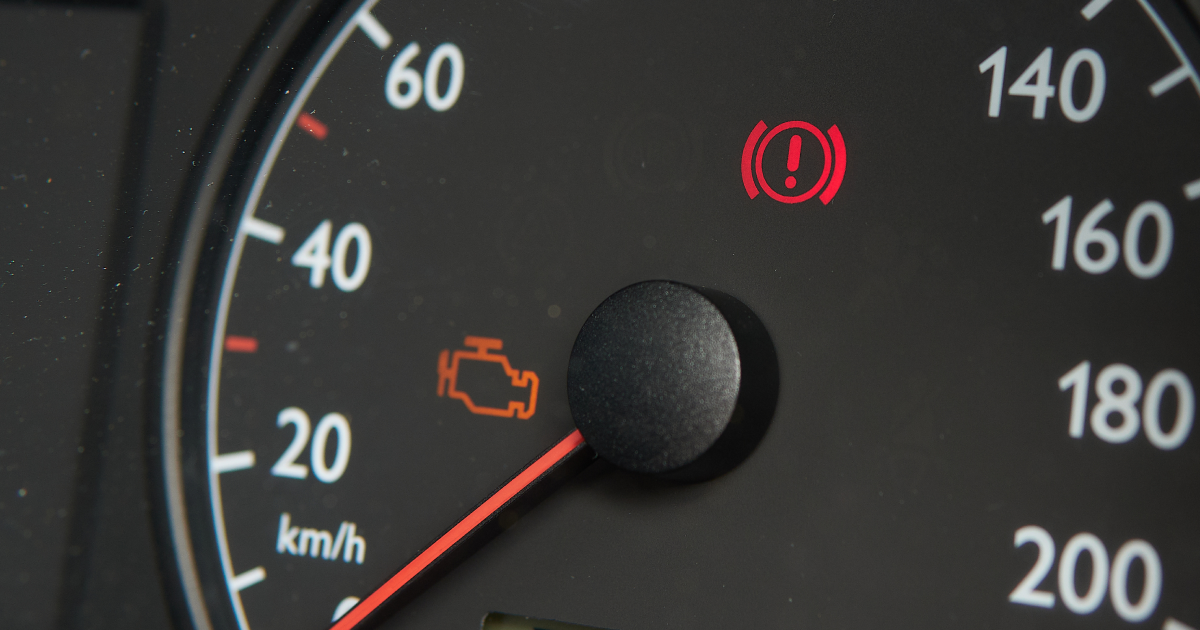
Why Your Audi or BMW Might Be Trying to Tell You Something After a Storm What Is Going On When the Light Comes On? As you navigate .
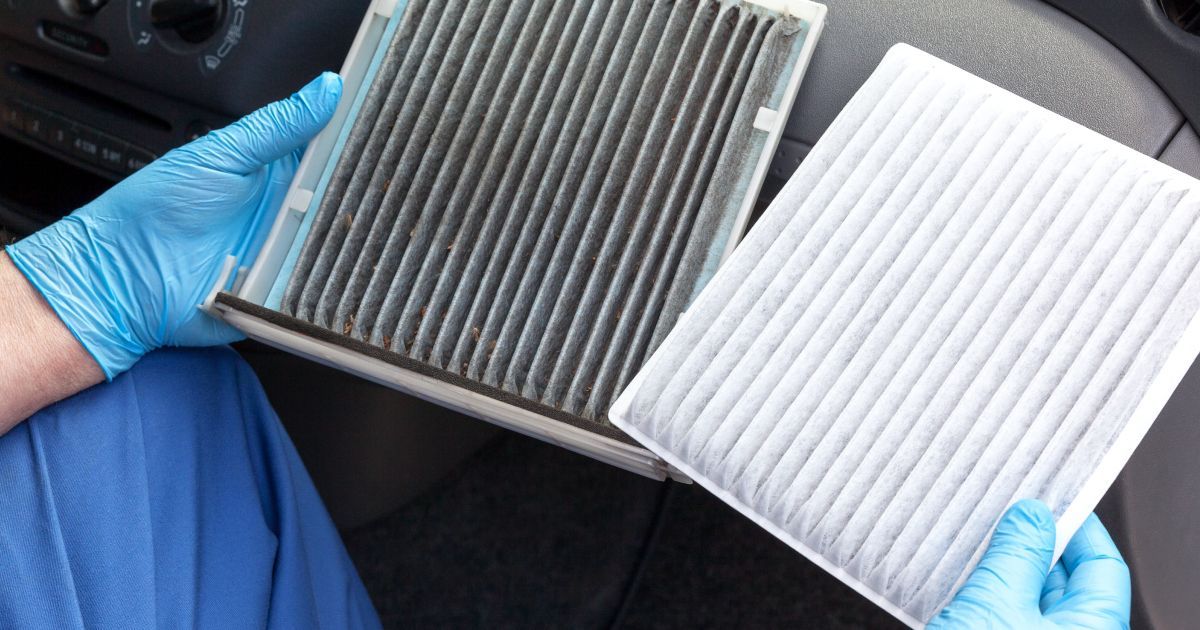
Gearing Up for Fall in Burbank As September arrives and the California heat begins to subside, it's time for a shift in both seasons and your approach to car maintenance. While Burbank may not experience blizzards or intense storms typical of other regions during fall, this period still marks an important transition for your vehicle. The combination of summer road trips, high temperatures, and city traffic can impact its condition. Fall provides an ideal opportunity to reset, refresh, and get ready for the cooler months ahead. Imagine your vehicle as if it were your body after a long hike: in need of hydration, fresh air, and a proper stretch to maintain peak performance. This is where fluids, filters, and seasonal awareness play crucial roles. Your September checklist focuses less on urgent repairs and more on proactive maintenance, a guide designed to ensure smooth operation, efficiency, and peace of mind for the months ahead. Why September Is a Smart Month for Maintenance Numerous drivers often postpone vehicle maintenance until they notice a problem. However, September is an ideal time for car care, positioned perfectly between the deterioration of summer and the preparation needed for winter. It's a period of tranquility before holiday chaos ensues and chilly nights arrive. The weather remains pleasant enough to work on vehicles comfortably, while school routines resume alongside increased commuting demands, emphasizing the importance of dependable transportation. Burbank's mild autumn climate offers local drivers a distinct benefit. You can address issues such as dirty air filters, aging fluids, and overlooked cooling systems before they lead to problems. By performing preventive maintenance now, you'll encounter fewer surprises when winter arrives, even in Southern California, where seasonal changes are subtle but vehicle wear is genuine. Fluids First: The Lifeblood of Your Vehicle Regardless of the season, your car's fluids play a crucial role in maintaining its health. However, after enduring months of hot pavement and heavy engine use during summer, it's particularly vital to inspect and replenish these fluid systems in the fall. Each type of fluid has a unique function, yet they all collaborate to ensure your engine remains cool, gears shift smoothly, and brakes stay responsive. Begin with the engine oil. Following a long, hot summer, oil may lose its viscosity and effectiveness. Contaminated oil has difficulty lubricating engine components and can transport debris that leads to internal wear. Replacing your oil in September can revitalize your engine’s performance and get it ready for the longer, cooler drives of fall. Now, check your coolant. While you might think of antifreeze as a necessity for winter weather, its primary role throughout the year is to control engine temperature. The intense summer heat can lead to low or contaminated coolant levels. Flushing or topping it off will help maintain system balance and prevent overheating or corrosion within the radiator. Don’t forget to check the transmission fluid, brake fluid, and power steering fluid. These essential fluids often get overlooked until a significant issue arises, yet they are crucial for the seamless shifting, stopping, and steering of your car. Neglecting them can result in low or contaminated levels that may cause wear or potential failure over time. Take advantage of September as an ideal opportunity to ensure they're all in good condition. Filter Focus: Let Your Engine and Cabin Breathe When getting ready for fall, airflow might not be the first thing that comes to mind. However, just like your lungs need fresh air, so does your vehicle. This season, it's essential to focus on two critical filters: the engine air filter and the cabin air filter. Your engine air filter plays a crucial role in preventing dust, dirt, and debris from entering the combustion chamber. When it becomes clogged, airflow is restricted, leading to reduced fuel efficiency and compromised engine performance. The dusty streets of Burbank and summer construction zones can cause your filter to become dirty faster than anticipated. Replacing your old filter with a new one in September ensures that your engine continues to breathe easily and operate efficiently. Next, there's the cabin air filter. It serves as your primary barrier against allergens, pollutants, and road dust infiltrating your car's interior. When this filter becomes dirty, it can limit airflow from the vents and produce musty odors, unwanted companions during a refreshing morning drive. By replacing this filter, you can refresh the air inside your vehicle and enhance the quality of each journey just in time for cooler mornings and extended weekend adventures. Fuel filters are worth mentioning, too. Although they don't require replacement as often, they're essential for maintaining a clean fuel system. If you've been experiencing sluggish acceleration or inconsistent performance recently, it might be time to inspect them during your September maintenance check-up. Battery Health and Electrical Check Autumn is the onset of a period when battery problems often begin to emerge. The cooler temperatures add extra stress to your battery, particularly following an extended summer that may have caused heat-related damage. If your battery has been in use for over three years, September is an ideal time to have it tested. Many auto shops can perform this test quickly and assess whether the battery is maintaining a strong charge. Be sure to examine the battery terminals and cables as well. Corrosion accumulation can disrupt the electrical flow, potentially leaving you stuck at an inconvenient moment. Maintaining a clean battery with secure connections guarantees that your vehicle starts dependably and powers lights, sensors, and accessories without any issues. While you're at it, inspect all your lights. Ensure that headlights, brake lights, turn signals, and interior illumination are functioning correctly. As the days grow shorter, having dependable visibility becomes increasingly crucial each week. Tires and Tread for Changing Roads Tire maintenance is crucial year-round, but it becomes imperative when the summer heat gives way to cooler weather. Elevated pavement temperatures can alter tire pressure, and prolonged exposure during these months may lead tires to exhibit signs of wear. A brief visual check of tread depth and sidewalls can uncover problems such as uneven wear, cracking, or bulging. Rotating your tires in September can prolong their life and promote even wear as you move into the fall and winter seasons. This practice also enhances fuel efficiency and vehicle handling. Additionally, remember to check your tire pressure regularly; air pressure decreases with cooler temperatures, leading to underinflated tires that could impact traction and increase braking distances. Although Burbank rarely experiences icy roads, rain and fallen leaves can still create slippery conditions. Maintaining healthy tires is your best defense against hydroplaning or skidding. Please take this opportunity to give them the attention they deserve. Wiper Blades and Windshield Clarity Visibility becomes crucial in the fall as morning dew, fog, and occasional rain make a comeback. Windshield wipers are often overlooked until they're urgently needed; by then, it's too late. If you notice your blades streaking, skipping, or squeaking, it's time to replace them. September is an ideal time to replace your wiper blades and refill the windshield washer fluid. This minor upgrade can significantly enhance visibility during early morning commutes or sudden rain showers. By maintaining clean wipers and a full washer reservoir, you can stay focused on driving without being distracted by poor visibility conditions. Don’t Overlook HVAC and Heater Performance As temperatures start to drop, the importance of your vehicle's heating system rises. It's a good idea to ensure that everything is in working order before you face the first chilly morning. Make sure the blower motor runs smoothly, check that warm air flows from the vents, and confirm that your defrosters are prepared to clear any foggy windows. The HVAC system plays a crucial role in your comfort and safety during the fall. If you notice that your cabin is slow to warm up or experiences weak airflow, it may indicate problems with components like the heater core, blend door actuator, or other internal parts. Addressing these issues early on can save time and money compared to dealing with them mid-winter. Building Better Habits for Fall Driving Seasonal maintenance involves more than just tending to the mechanical components of your vehicle. It's an opportunity to reassess and adjust your driving habits and routines as well. With September often introducing shifts in schedules due to school or work commitments, it can become a source of stress during daily commutes. By preparing your car beforehand, you minimize unexpected issues and bring peace of mind on hectic mornings. Maintain a mental checklist as you conduct your fall maintenance. Are there any new noises coming from the brakes or suspension? Have your dashboard lights been flickering or staying on longer than usual? Is your steering as responsive as it should be? These subtle signs often point to changes that need addressing before they develop into significant issues. If you’re taking any autumn road trips, your September checklist ensures you start with a vehicle that’s clean, responsive, and running like a dream. Whether you’re cruising down the 134 or heading out for a weekend adventure, a well-maintained car makes the journey that much smoother. The Future Auto Service Approach to Fall Prep In Burbank, our vehicles might not contend with snowdrifts or salt-laden roads, but they're still susceptible to seasonal wear. The start-stop nature of Los Angeles County traffic, coupled with prolonged dry periods and sudden rain showers, presents its challenges. Fall is the perfect time to rejuvenate after summer and prepare for the upcoming months. At Future Auto Service , we understand that a bit of attention in September can pave the way for worry-free driving all season long. By properly checking fluids, replacing filters, inspecting batteries, and caring for tires, your car will be fully prepared for whatever lies ahead on the road. You don't have to be a car enthusiast to recognize the feeling of a well-maintained vehicle. Every driver can appreciate quiet rides, smooth acceleration, and clean airflow. These enjoyable experiences begin with the type of care that's perfect for September. When seeking professional assistance, contact us at Future Auto Service regarding any of your vehicle maintenance needs in Burbank, CA, and neighboring areas. We stand by our work and provide a nationwide 24-month/24,000-mile warranty. Our facility is AAA-certified, and we have ASE-certified technicians. We can be found at 820 S Victory Blvd., Burbank, CA 91502, and available via phone at (818) 736-5553 . We hope to be there for you and become a staple in your vehicle’s life.
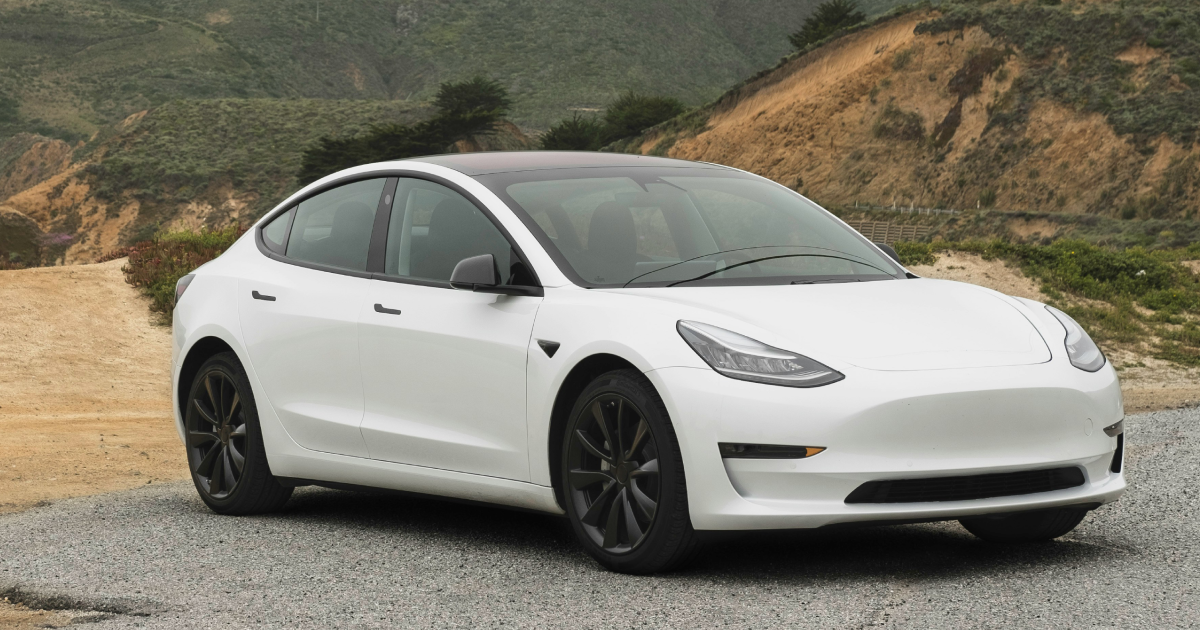
Tesla vehicles are known for their advanced technology, smooth acceleration, and unique driving experience. While they require less frequent maintenance than many traditional cars, it’s important not to overlook essential systems, especially the brakes. Even though regenerative braking reduces some wear, Teslas still rely on traditional brake components for full stopping power. Understanding what to watch for can help you avoid safety risks and costly repairs. 1. Brake Fluid Condition Brake fluid plays a vital role in transferring force from the brake pedal to the wheels. Over time, this fluid can absorb moisture, which reduces its effectiveness and may lead to a spongy pedal feel or even brake failure. Tesla recommends checking and replacing brake fluid at regular intervals to maintain reliable performance. Ignoring fluid maintenance can compromise stopping power when you need it most. 2. Brake Pad Wear Thanks to regenerative braking, Teslas typically experience less brake pad wear compared to gas-powered cars. However, this doesn’t mean the pads last forever. Dirt, weather conditions, and driving habits still affect pad life. Worn brake pads can reduce braking efficiency and damage rotors. Checking pad thickness regularly ensures you catch any problems before they lead to more serious repairs. 3. Rotor Condition Rotors are critical for slowing your vehicle down safely. Even if you don’t use your brakes as often, rust can build up on the rotors, especially if the car sits unused for long periods. Uneven rotor surfaces can cause vibrations or pulsations when braking. Keeping rotors clean and smooth helps maintain even braking and prevents damage to other components. 4. Brake Calipers Brake calipers clamp the pads onto the rotors to create friction and slow the car. If calipers become stuck or corroded, they can cause uneven braking, unusual noises, or increased wear on one side of the brake system. Regular inspections can catch caliper problems early, ensuring balanced and effective braking. 5. Brake System Alerts Tesla’s advanced onboard systems monitor many aspects of your vehicle, including the brakes. If you receive a brake-related warning on your screen, it’s important not to ignore it. These alerts can indicate anything from low brake fluid to electronic system issues that affect braking performance. Addressing these warnings right away keeps your car safe and prevents small issues from becoming major problems. Why Brake Maintenance Matters for Teslas Even with regenerative braking taking on much of the stopping effort, the traditional brake system is still essential for quick stops and emergencies. Regular brake maintenance ensures your car can stop reliably in all situations. It also helps you avoid unexpected repair costs and keeps other braking components, like the rotors and calipers, in good condition. How to Extend Brake Life Driving smoothly, allowing regenerative braking to slow the car when possible, and avoiding aggressive stops can all help extend the life of your brake components. It’s also helpful to wash your wheels regularly to remove debris and brake dust that can contribute to wear. Get Expert Brake Service at Future Auto Service in Burbank, CA If you own a Tesla, don’t overlook your brake system. The team at Future Auto Service in Burbank, CA, is experienced in maintaining and servicing Tesla brake systems to keep you safe on the road. Schedule an inspection or service today and enjoy the peace of mind that comes from knowing your brakes are in excellent condition.
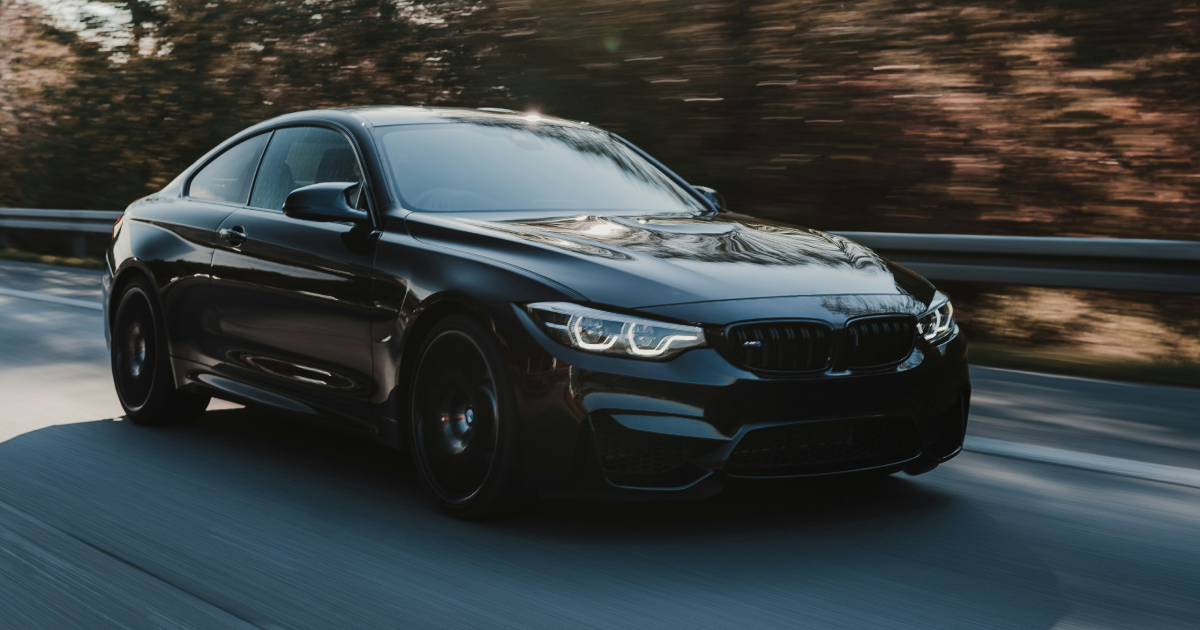
BMW drivers enjoy a balance of performance and refinement, but that driving experience depends on keeping every component running at its best, especially the transmission. While many newer BMWs are equipped with transmissions labeled “lifetime fill,” this term can be misleading. Just because a fluid is long-lasting doesn’t mean it never needs to be replaced. Knowing the correct transmission service interval for your vehicle is crucial to maintaining performance and preventing costly repairs in the future. The Myth of Lifetime Transmission Fluid BMW, like several other European manufacturers, began using the term “lifetime fluid” to describe their automatic transmission fluid (ATF). However, this doesn’t mean the fluid lasts forever or that it should be ignored. Over time, transmission fluid breaks down due to heat, friction, and contamination. It loses its ability to lubricate and protect internal components, leading to rough shifting, hesitation, and long-term wear. So why use the phrase “lifetime”? In many cases, it’s tied to the expected lifespan of the vehicle under warranty, not its actual capability to perform well at high mileage. Most experts agree that even “lifetime” fluids should be replaced periodically, especially for drivers who plan to keep their BMW well beyond 100,000 miles. Recommended Transmission Service Intervals A good rule of thumb is to service your BMW’s automatic transmission every 50,000 to 60,000 miles, even if the manual suggests it’s not necessary. If your vehicle is equipped with a ZF 6-speed or 8-speed automatic transmission, which are common in many modern BMW models, the manufacturer of the transmission itself (ZF) recommends fluid and filter changes within this mileage window. If your BMW has a manual transmission, the fluid may last a bit longer, often recommended around every 60,000 to 80,000 miles. However, they benefit from timely fluid changes as well, especially if you drive aggressively or in stop-and-go conditions. Signs Your BMW Transmission Needs Attention Waiting for obvious symptoms is never the best approach, but there are warning signs that your transmission may be overdue for service. These can include: Hesitation or delay when shifting gears Hard or jerky shifts between gears Unusual whining or grinding noises Transmission slipping or failing to engage Fluid leaks under the vehicle If you notice any of these signs, it’s time for an inspection. Letting these issues linger can lead to internal damage that requires a full rebuild or replacement. Why Routine Service Is Required Transmission repairs are among the most expensive fixes on any vehicle. Replacing a failed automatic transmission can cost thousands, and that’s assuming the parts are available. Regular servicing is one of the best ways to extend the life of your transmission, maintain smooth performance, and protect your long-term investment. The service typically involves draining the old fluid, replacing the transmission filter and pan gasket, and refilling with the correct fluid. Some shops may also perform a flush, though this should only be done if recommended for your specific BMW model and if the transmission is in good health. Transmission Care Based on Driving Habits Your driving habits also play a major role in how often your BMW’s transmission should be serviced. If you regularly drive in heavy traffic, tow, or enjoy spirited driving, your transmission fluid will degrade faster. High temperatures and constant shifting under load accelerate the breakdown of additives in the fluid. Likewise, living in a warmer climate like Southern California increases thermal stress on your transmission. More frequent fluid changes can help offset this added wear. Don’t Forget Transfer Cases and Differentials If you own an all-wheel-drive BMW (xDrive models), you also need to service the transfer case and differentials. These components use their own fluid and should be serviced on a schedule similar to the transmission. Neglecting these systems can lead to vibrations, drivetrain binding, and added stress on other components. Future Auto Service – BMW Transmission Specialists in Burbank, CA At Future Auto Service in Burbank, we help BMW owners keep their transmissions and drivetrains in peak condition. Whether it’s a simple fluid change or a full diagnostic, our team is equipped to handle the exact needs of your vehicle. If it’s been more than 50,000 miles since your last transmission service, or if you're unsure of the last time it was done—schedule a visit with us and let our technicians take care of your BMW.
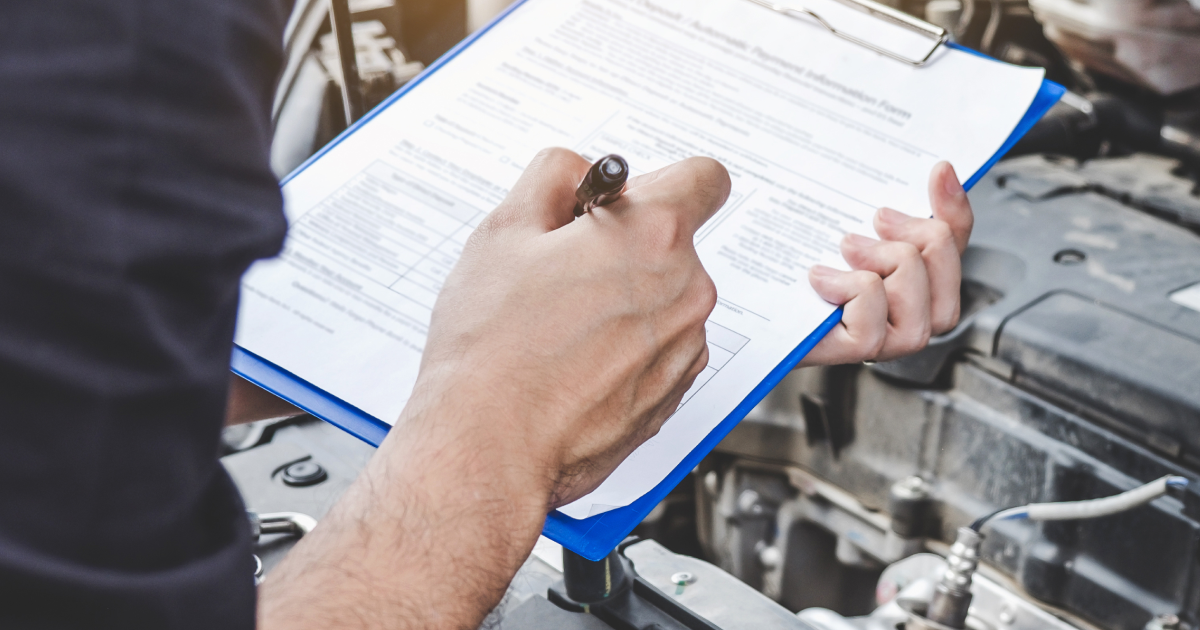
Why Expertise Matters When It Comes to Your Vehicle. You've likely noticed the blue ASE seal at your neighborhood auto repair shop, but what does it signify? ASE represents the National Institute for Automotive Service Excellence, an independent nonprofit that has been establishing industry standards for automotive repair proficiency since 1972. Being ASE certified is not merely a decal on display—it's a mark of distinction for mechanics who have demonstrated their expertise through challenging tests and practical experience. Achieving ASE certification is a significant accomplishment. Technicians are required to pass in-depth exams that encompass topics ranging from engine repair to electrical systems. Moreover, the education continues beyond initial certification; technicians must renew their certifications every five years, guaranteeing they remain informed about the latest developments in vehicle technology. The Power of Proven Expertise Today's vehicles are engineering wonders, filled with advanced electronics, computer-controlled systems, and continually evolving technology. Staying current with these advancements demands not only experience but also ongoing education and training. ASE-certified technicians commit to understanding the complexities of modern vehicles in depth. When a mechanic holds an ASE certification , it signifies their dedication to mastering complex systems, accurately diagnosing issues, and executing effective solutions. Their expertise ensures more precise repairs, helping you avoid unnecessary part replacements and eliminating guesswork. Confidence in Quality Work Investing in auto repair means ensuring quality service, and selecting an ASE-certified technician provides assurance that your vehicle is well taken care of. These experts rely on their thorough training and extensive experience rather than guesswork or trial-and-error methods to ensure the job is done correctly from the start. High-quality work ensures that your vehicle operates at peak efficiency, minimizing the chances of returning for the same issue. It also contributes to extending your car's lifespan by preventing minor problems from developing into major and costly repairs in the future. Keeping Up with Changing Technology Each year, car manufacturers roll out new models equipped with enhanced features , better fuel efficiency, and cutting-edge safety systems. The prevalence of hybrid and electric vehicles is on the rise while diagnostic tools are rapidly advancing. Technicians certified by ASE keep up to date by constantly refreshing their knowledge and skills to effectively service these emerging vehicle technologies. Their training encompasses a wide range of technologies, including traditional gas-powered engines as well as hybrid and electric drivetrains. This ensures that your vehicle is handled by experts regardless of its type. The Difference Between ASE Certification and Regular Experience In the auto repair industry, experience holds immense value; however, certification provides an additional level of confidence. While a technician may have years of hands-on experience with cars, obtaining ASE certification demonstrates that they have successfully passed exams recognized by the industry and adhered to rigorous professional standards. This certification process distinguishes individuals with advanced technical expertise from those who might depend on outdated methods or trial-and-error diagnostics. It is considered the gold standard in the industry and clearly demonstrates a technician's commitment to excellence. Saving Time and Money An experienced technician can efficiently diagnose and fix problems, cutting down on labor time and saving you money. Rather than spending hours figuring out an issue, an ASE-certified professional can swiftly identify the problem using their comprehensive knowledge and advanced diagnostic tools. This efficiency ensures that you return to the road more quickly with a properly repaired vehicle. It also reduces the risk of costly mistakes or unnecessary part replacements, which can occur when repairs are conducted by someone lacking the necessary expertise. An Industry Standard You Can Trust ASE certification is a highly respected standard within the automotive industry, trusted by repair shops, dealerships, and vehicle owners. Technicians who achieve this credential take pride in their work and are committed to upholding the highest standards of professionalism and service. For vehicle owners, this translates to peace of mind. By selecting a shop with ASE-certified technicians, you can be confident that your car is being serviced by professionals with verified expertise and skill, rather than risking it with someone lacking industry-recognized credentials. Protecting Your Vehicle’s Value Regular maintenance and quality repairs are essential for maintaining your vehicle's performance and resale value. A well-kept car with a documented history of professional service can fetch a higher price when you're ready to upgrade. Prospective buyers typically seek service records demonstrating that certified professionals have maintained the car. Opting for ASE-certified technicians guarantees high-quality repairs and maintenance, enhancing your car's longevity and value. The Commitment to Excellence ASE certification goes beyond technical expertise; it's a pledge to uphold ethical practices, maintain professional conduct, and ensure customer satisfaction. Certified technicians adhere to elevated industry standards and are committed to offering honest and reliable service. This translates to an enhanced experience at the repair shop for customers. You'll likely benefit from clear explanations about your car's issues, transparent pricing, and top-notch workmanship. Why It Matters for Your Auto Repair Choices When selecting an auto repair shop, the technicians are as crucial as the services provided. An ASE certification indicates that a mechanic has dedicated time and effort to honing their skills and keeping abreast of industry developments. For car owners, it's an easy way to guarantee that your vehicle is in the hands of qualified professionals . Whether you require routine maintenance, diagnostics, or major repairs, collaborating with ASE-certified technicians ensures reliable expertise for every repair. When seeking professional assistance, contact us at Future Auto Service regarding any of your vehicle maintenance needs in Burbank, CA, and neighboring areas. We stand by our work and provide a nationwide 24-month/24,000-mile warranty. Our facility is AAA-certified, and we have ASE-certified technicians. We can be found at 820 S Victory Blvd., Burbank, CA 91502, and available via phone at (818) 736-5553 . We hope to be there for you and become a staple in your vehicle’s life.